Home Window Tint: Guide to Energy, Privacy, UV
Home window tint is a thin film applied to the interior surface of glass to reduce heat, block UV rays, and improve overall comfort. For homeowners, it’s a practical upgrade that balances energy savings, privacy, and aesthetics without sacrificing daylight.
What is Home Window Tint?
Window tint refers to optically clear films that attach to glass using an adhesive. High-quality residential films are designed to reject sunlight, filter infrared radiation, and minimize glare while preserving a clear view. Unlike aftermarket tint options for cars, home window tint is installed on fixed glazing or large panes and can be tailored to the climate and home layout.
Benefits of Home Window Tint
Energy Efficiency and Cost Savings
By reflecting or absorbing a portion of solar heat, film reduces cooling loads in hot months. In climates with strong sun, this can lower air conditioning use, leading to month-to-month energy savings and potentially lower peak demand charges for some homes.
UV Protection and Indoor Comfort
Most residential films block 99% or more of ultraviolet rays, protecting flooring, furniture, and artwork from fading. Reduced heat gain also helps maintain a more consistent indoor temperature and reduces hot spots near windows, contributing to overall comfort.
Privacy and Aesthetics
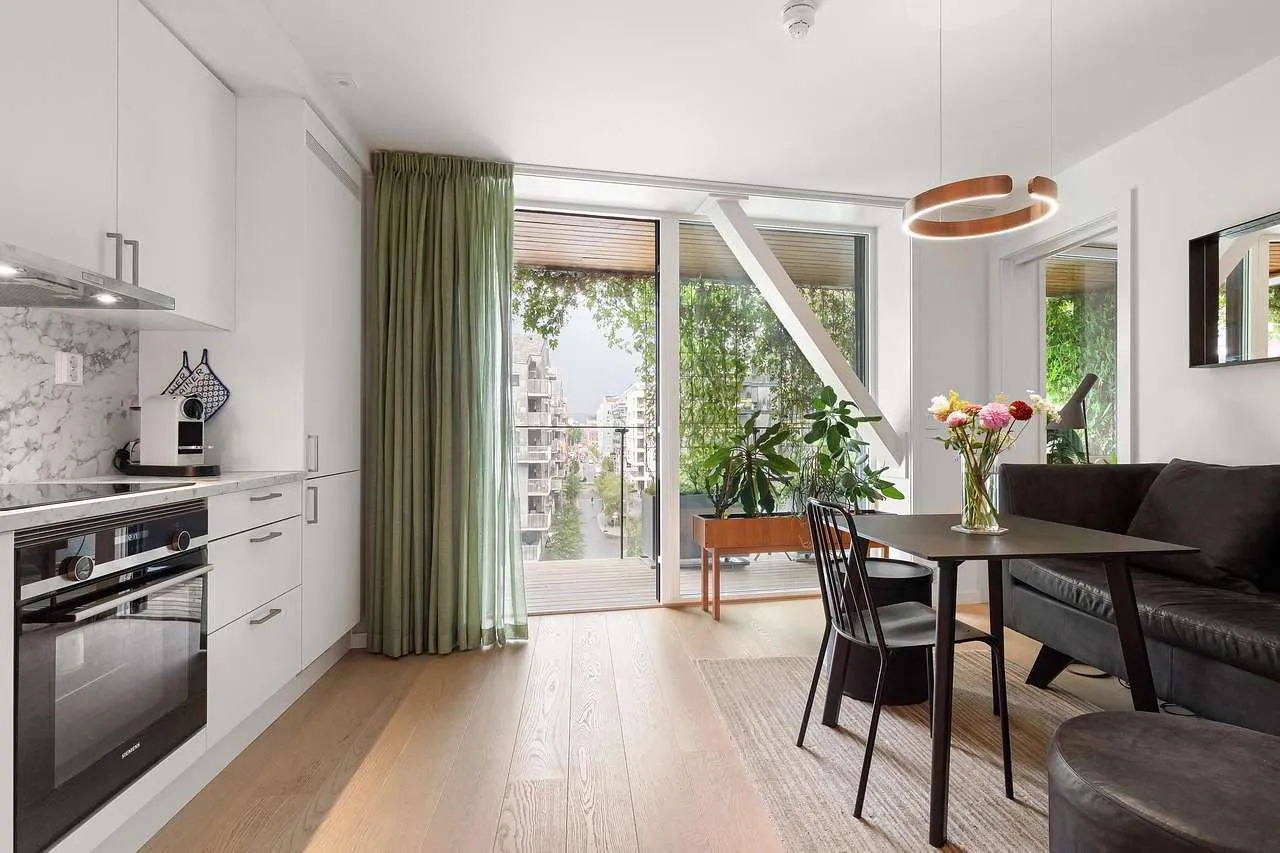
Tinted windows increase daytime privacy without significant loss of natural light. The film options range from barely-there enhancements to dark, modern looks, allowing homeowners to preserve curb appeal and value while maintaining exterior visibility.
Types of Window Film
Dyed Films
Dyed films are the most affordable option. They darken rooms and improve privacy but can fade over time and offer moderate heat rejection compared with other technologies.
Metalized Films
Metalized films incorporate metal layers to reflect solar energy, delivering strong heat rejection. They can cause reflections and may interfere with electronics or signals, so they are less common in some homes.
Ceramic and Nano-Ceramic Films
Ceramic films use non-conductive particles to deliver excellent heat rejection, UV protection, and clarity with minimal reflectivity. Nano-ceramic variants offer top-tier performance and durability with high VLT options suitable for light-filled rooms.
Choosing the Right Tint: Factors to Consider
Key metrics include Visible Light Transmission (VLT), infrared heat rejection, UV rejection, and the film’s warranty. Consider climate, orientation of windows, and the desired balance between daylight and privacy. Check local laws and HOA guidelines, and favor trusted brands with professional installation to ensure warranty coverage.
Installation: DIY vs Professional
While some homeowners attempt DIY installations on small panes, large windows and high-rise glazing benefit from professional service. Experts ensure proper surface cleaning, proper adhesive curing, and bubble-free application, which preserves clarity and warranty. If you rent or own a property with complex glass, professional installation is the safer choice.
Costs and Warranty
Residential window film typically costs between $5 and $15 per square foot, depending on type and brand. Professional installation adds a service fee but often comes with a warranty of 10 to 15 years on film integrity and adhesion. Higher-end ceramic and nano-ceramic films carry longer warranties and better performance in extreme climates.
Comparison of Tint Types
| Type | UV Rejection | Heat Rejection | VLT | Durability | Cost | Pros/Cons |
|---|---|---|---|---|---|---|
| Dyed | Excellent | Moderate | 25–40% | Moderate | Low | Pros: affordable; Cons: fades, moderate heat rejection |
| Metalized | Excellent | High | 15–40% | High | Medium | Pros: strong heat rejection; Cons: potential reflectivity, electronics interference |
| Ceramic | Excellent | Excellent | 20–60% | Very High | High | Pros: superior overall performance; Cons: higher cost |
| Nano-Ceramic | Excellent | Excellent | 25–60% | Very High | Very High | Pros: top performance, low reflectivity; Cons: premium price |
Maintenance and Care
To keep the film clear, clean with non-abrasive microfiber cloths and mild soap. Avoid ammonia-based cleaners, which can degrade coatings over time. Wait for the film to cure after installation, typically around one week, before aggressive cleaning or sealing actions.
Conclusion
Summary: Home window tint is a durable upgrade that improves energy efficiency, UV protection, privacy, and aesthetics. By choosing the right type (ceramic or nano-ceramic for best performance), considering VLT and climate, and opting for professional installation, homeowners can maximize comfort while protecting interiors and property value.