Metal Roofing Panels: Durable, Efficient Options
What are metal roofing panels?
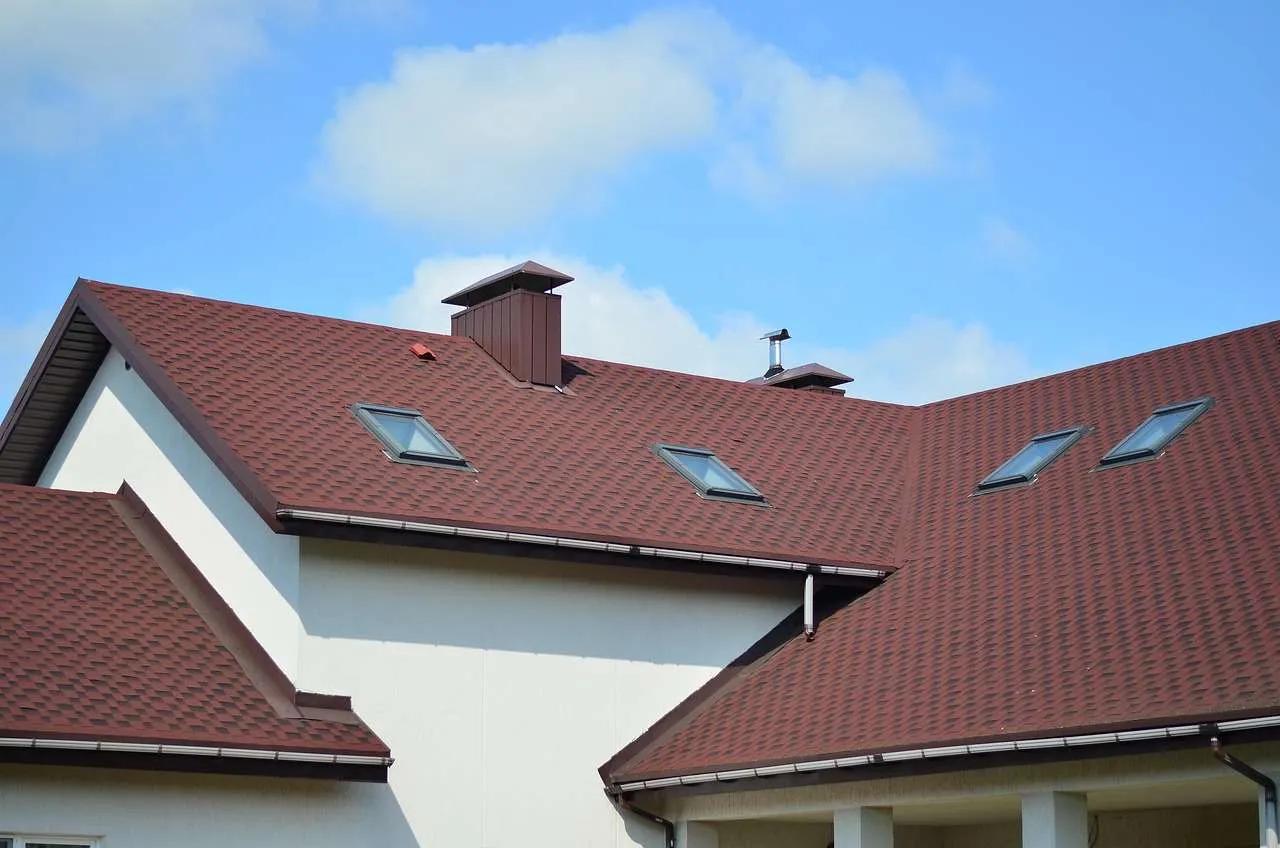
Metal roofing panels are durable, prefabricated sheets used to cover rooftops. They come in profiles such as standing seam, corrugated, and ribbed patterns, and are manufactured from steel, aluminum, copper, or zinc. Panels offer a fast installation, excellent weather resistance, and a long service life when properly maintained. For homeowners and builders, metal roofing panels are a choice that balances performance with curb appeal.
Materials and finishes
Key materials
- Steel: Typical option with protective coatings like galvanization or Galvalume for corrosion resistance.
- Aluminum: Lightweight and highly resistant to salt spray, ideal for coastal applications.
- Copper and zinc: Premium options with distinct aesthetics and very long lifespans.
Finishes affect appearance and longevity. Common coatings include PVDF style paints, along with reinforced protective coatings. Colors range from neutral grays to bold tones. The finish can impact warranty and maintenance needs.
Benefits and performance
- Durability and lifespan: Many metal panels outlast traditional shingles by tens of years, with 40 to 70 year warranties depending on material and coating.
- Weather resistance: Superior wind uplift resistance and quick shedding of hail impact in many profiles.
- Energy efficiency: Light-reflective coatings reduce heat gain.
- Fire resistance and sustainability: Metal panels are noncombustible and often recyclable.
- Weight and installation: Standing seam systems offer fast, watertight installation.
Costs, installation, and lifespan
Costs for metal roofing panels vary by material, profile, and finish. Typical installed costs for mid-range steel panels range from $8 to $12 per square foot, depending on labor and location. Aluminum panels may be slightly higher, while copper and premium finishes are at the top of the scale. While upfront costs are higher than asphalt shingles, metal panels often deliver lower maintenance costs and longer lifespans, yielding a favorable total cost of ownership over time.
Installation considerations include proper underlayment, ventilation, and flashing. A certified contractor with metal roofing experience will ensure correct panel alignment, sealing at penetrations, and wind uplift compliance. Warranties vary by manufacturer and installer; look for long-term material and workmanship coverage and references from past projects.
Maintenance and care
- Routine inspection: Check for loose fasteners, damaged seals, and corrosion at edges and fastener points.
- Cleaning: Remove debris and wash panels with non-abrasive cleaners to preserve coatings.
- Snow and ice management: In cold climates, ensure adequate clearance to prevent ice damming.
- Preventative protection: Avoid abrasive contact during repairs that can scratch coatings.
Comparison with other roofing options
| Feature | Metal roofing panels | Asphalt shingles | Clay/Concrete tiles |
|---|---|---|---|
| Lifespan | 40–70+ years | 15–30 years | 50–100 years |
| Weight | Light to moderate | Moderate | Heavy |
| Durability against weather | Excellent wind and hail resistance | Moderate | Excellent in dry climates |
| Maintenance | Low to moderate | Moderate | Low to moderate |
| Initial cost | High | Lower | High |
| Energy efficiency | Often high with reflective coatings | Moderate | Low to moderate |
| Install time | Fast with standing seam | Slow to moderate | Slow |
Choosing the right metal roofing panel
When selecting metal roofing panels, consider climate, roof slope, and aesthetic goals. Steel is common and cost-effective, while aluminum suits coastal environments. Choose the panel profile based on wind conditions and water shedding requirements. Look for quality coatings with robust warranties and ensure installation by a licensed contractor with experience in metal systems. Request references and confirm that the installer follows manufacturer installation guidelines to preserve warranties.
Conclusion, Metal roofing panels deliver long-term value through durability, energy efficiency, and low maintenance. When selecting materials and profiles, balance upfront costs with long-term savings and hire certified installers to maximize the return on your investment.