Bathroom Tiles: Styles, Materials & Tips
Choosing bathroom tiles goes beyond style; it shapes durability, safety, and maintenance. With the right guidance and expert input, you can select tiles that resist moisture, fit your budget, and reflect your personal taste. This guide blends practical advice with design insight to help homeowners and professionals alike as they plan, install, and care for bathroom tiles that last.
Materials and finishes
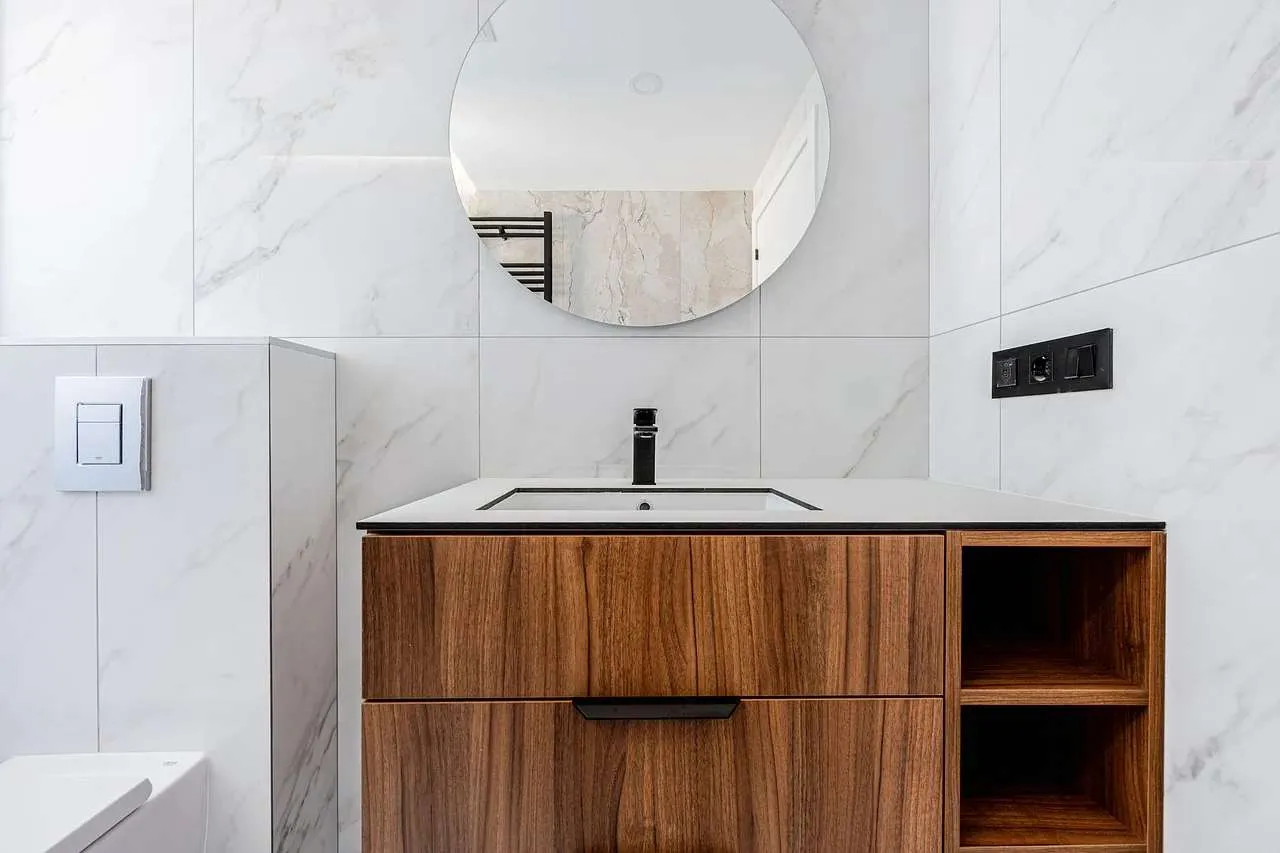
In wet rooms, porcelains and ceramics are popular due to water resistance and a wide range of finishes. Ceramic tiles are affordable and forgiving for beginners, while porcelain tiles offer higher density, lower porosity, and better wear resistance. Natural stone like marble or limestone delivers luxury but requires sealing and regular upkeep to prevent staining. Glass tiles add sparkle and light reflection but can be slippery when used in wet areas if not paired with non-slip substrates. For eco-conscious buyers, porcelain and ceramic tiles produced with low-emission kilns contribute to greener homes.
Slip resistance and safety
Choose tiles with a slip rating suitable for showers or bathroom floors. Look for textures, matte finishes, and larger formats with appropriate grout lines to improve grip. Always install an appropriate underlayment or anti-slip membrane in wet zones.
Porosity and sealing
Natural stone requires sealing to reduce water absorption and staining. Ceramic and porcelain tiles are non-porous or low-porosity and typically do not require sealing on the surface, though some glazed finishes may benefit from periodic resealing in high-traffic bathrooms.
Sizes, textures, and layouts
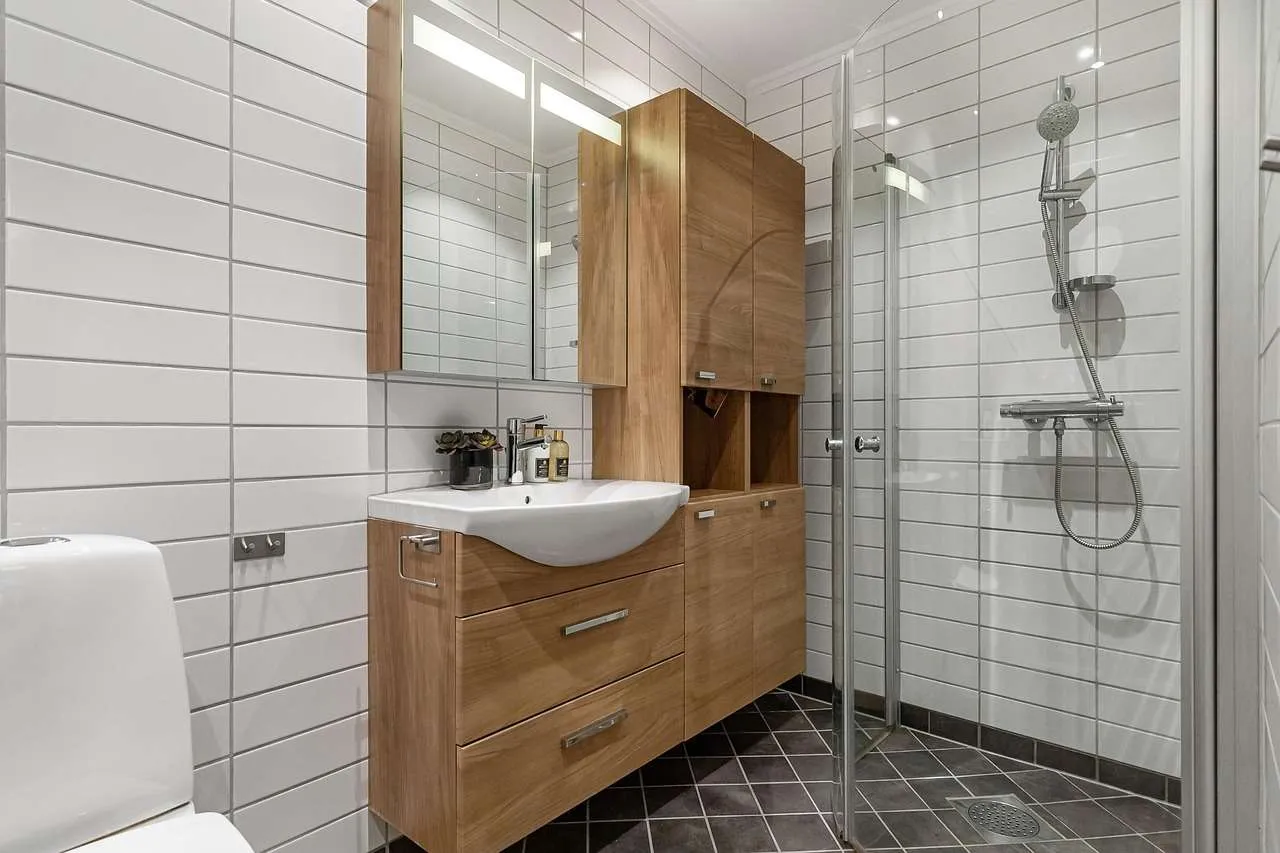
Tile size changes the perceived space: large-format tiles (12x24 inches or larger) create a seamless look with fewer grout lines, while small formats like 4x4 inches or 6x6 inches are forgiving on uneven floors and allow creative patterns. Subways, herringbone, and basket-weave layouts add movement. Textures such as satin, matte, or lightly hammered surfaces add depth and help hide water droplets between cleaning cycles.
Installation basics
Preparation matters: ensure the substrate is clean, flat, and dry. Use a cementitious thinset appropriate for wet areas and a latex modifier for flexibility. In bathrooms with concrete slabs or wooden subfloors, install a moisture barrier and backer board as needed. Grout choices range from epoxy for maximum stain resistance to traditional cementitious grout for ease of maintenance and repair. Natural stone requires sealing, and resealing periodically preserves its appearance. For DIY enthusiasts, simple tiling projects may be feasible, but complex layouts or stone cuts are best handled by licensed tile installers to maintain warranty and quality.
Maintenance and care
Regular cleaning prevents soap scum and mineral deposits. Use pH-balanced cleaners and avoid harsh acids that can etch stone. Wipe grout lines to prevent mildew and consider sealing porous materials when recommended by the tile manufacturer. Proper ventilation reduces humidity and extends tile life. If a tile cracks or grout discolors, plan a professional repair to avoid water damage behind walls.
Design ideas and trends
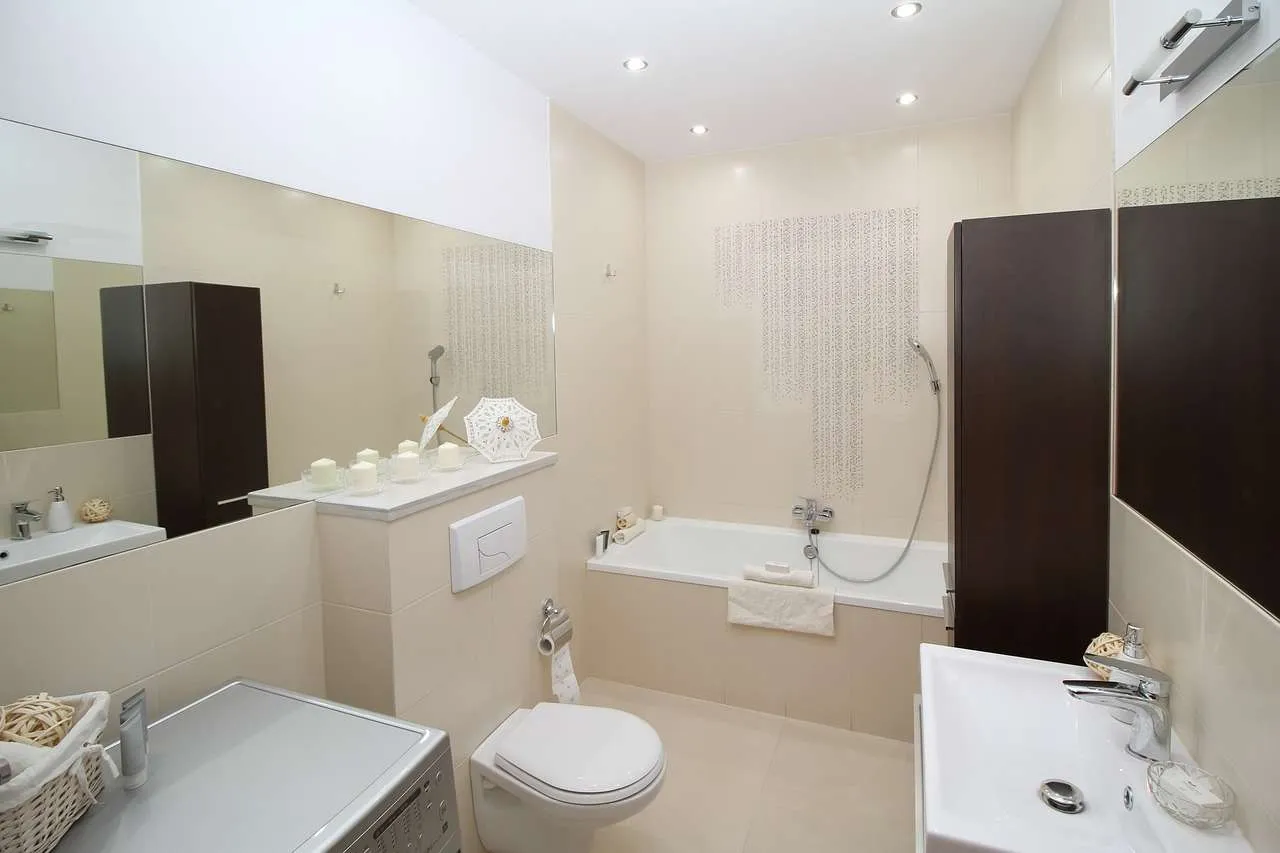
Neutral tones such as warm beiges, cool grays, and classic whites pair with bold accents. Mix textures (matte large tiles with glossy accents) or introduce patterned mosaics for interest. Vertical on walls, horizontal on floors, or a dramatic mosaic strip can define a shower niche without overwhelming the space. Consider anti-slip finishes for floors and reflective surfaces to brighten small bathrooms. Always balance style with maintenance needs and future resale value.
Comparison of common tile types
| Type | Pros | Cons | Best For | Notes |
|---|---|---|---|---|
| Ceramic | Affordable, wide range | Moderate wear resistance | Walls and floors in low-traffic baths | Glazed faces are easy to clean |
| Porcelain | Dense, low porosity, durable | Can be more expensive | Wet areas, showers, floors | Suitable for large formats |
| Natural stone | Luxurious look | Requires sealing, higher maintenance | Bathrooms with premium finishes | Sealing and care are essential |
| Glass | Reflects light, modern sheen | Slippery when wet in some uses | Accent walls, backsplashes | Pair with non-slip substrates |
| Vinyl/Porceain-look vinyl | Soft feel, budget-friendly | Less durable than stone/porcelain | Budget renovations, retrofits | Easy to install |
What to consider when choosing bathroom tiles
Assess location (shower, floor, wall), foot traffic, moisture exposure, and cleaning routines. Consider long-term costs: installation price, sealing, repairs, and potential replacement cycles. Ask for samples to compare color and texture in your bathroom's lighting. If in doubt about installation or material suitability, consult a licensed contractor or interior designer who can provide a site assessment and warranty guidance.
Conclusion, choosing bathroom tiles involves balancing moisture performance, durability, maintenance, and style. This guide covered materials, sizes, layouts, installation basics, and care. By selecting the right tile type, size, and finish and by following proper installation and maintenance practices, your bathroom will stay beautiful and resilient for years.